Water Purification Systems: How to Maintain Safe and Clean Drinking Water
Water treatment systems play an essential role in providing safe and purified drinking water. A large number of homes deal with multiple pollutants that can compromise water quality. Understanding these risks is the first step. Ranging from bacteria to heavy metals, the variety of pollutants vary widely. The selection of an appropriate purification method can have a major impact on health and safety. However, how can one navigate the available options? Examining the required steps can provide clarity and guidance.
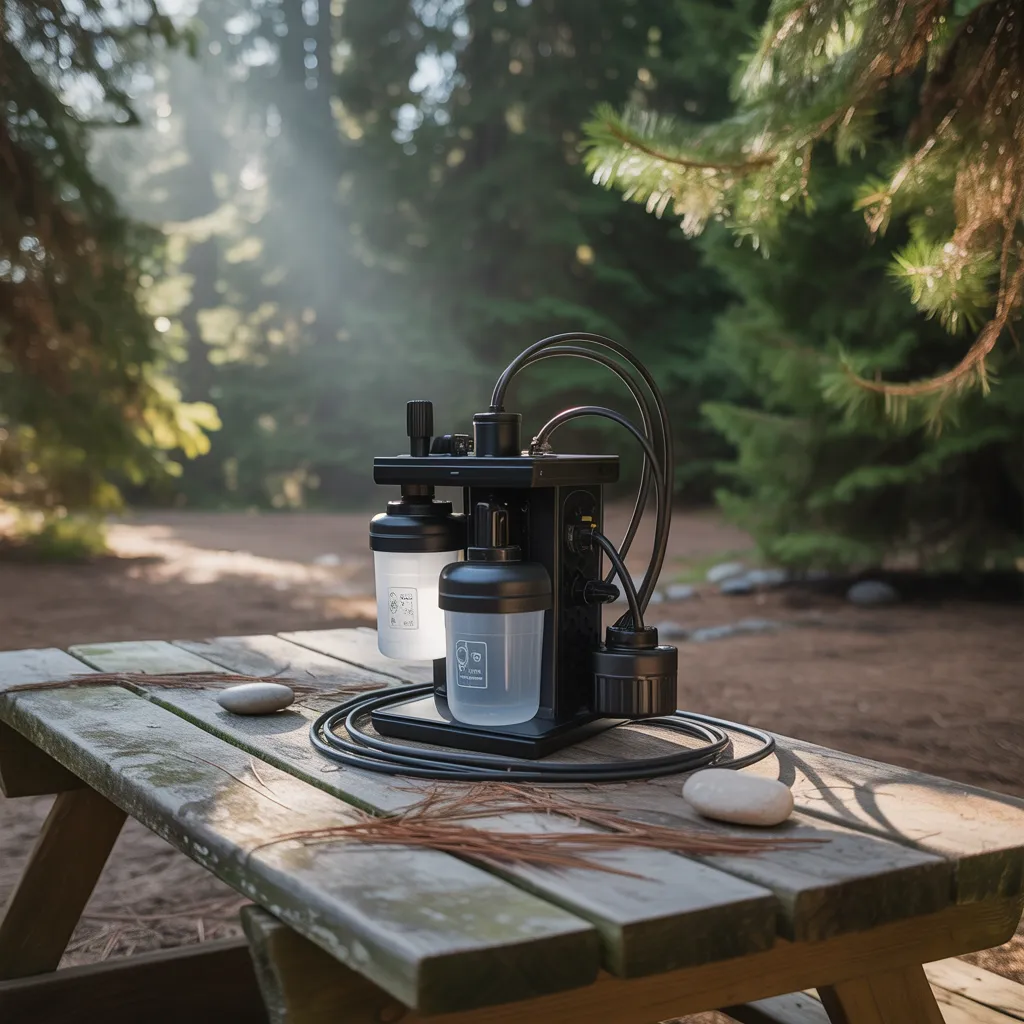
Understanding the Need for Water Purification
As consciousness of these concerns increases, so does the requirement for efficient water treatment solutions. These systems help remove impurities, ensuring that water is safe for consumption and daily use. From simple filters to advanced treatment technologies, a range of solutions are available to address specific contamination issues. Investing in water purification is not simply an individual decision; it is a necessary step toward safeguarding health and promoting sustainability in an progressively deteriorating global ecosystem.
Finding Contaminants in Your Water
How can individuals guarantee the safety of their drinking water? Identifying contaminants is essential in guaranteeing clean and safe consumption. Numerous elements can degrade water quality, including bacteria, heavy metals, pesticides, and industrial chemicals. To detect these contaminants, individuals can utilize water testing kits, which are readily available and provide a straightforward method for assessment.
Furthermore, laboratory analysis services offer a more thorough evaluation, determining specific pollutants and their concentration levels. Periodic testing is suggested, most notably for private wells or areas with known contamination issues.
Residents should also remain updated on community water quality findings, which frequently highlight likely impurities in city water sources. By recognizing the particular hazards associated with their water supply, people can arrive at well-considered choices about required filtration techniques and guarantee the purity and safety of their household water supply.
Summary of Common Water Purification Technologies
Water purification methods are critical for guaranteeing access to safe drinking water. Popular techniques include activated carbon filtration, which successfully clears contaminants from water, reverse osmosis systems that filter out contaminants at a molecular level, and UV disinfection techniques that destroy dangerous microorganisms. Each technology offers distinct advantages tailored to specific water quality challenges.
Activated Carbon Filtration
Activated carbon filtration effectively removes impurities from water, establishing it as a widely used solution in purification systems. This method makes use of activated carbon, a medium possessing a large surface area that adsorbs pollutants such as chlorine, volatile organic compounds, and select heavy metals. The method improves taste and odor, significantly enhancing water quality. It is widely used across multiple environments, including residential filters, municipal water systems, and industrial facilities. While activated carbon filtration is effective against many pollutants, it may not remove all pathogens or dissolved minerals. Therefore, it is commonly paired with complementary purification approaches to achieve complete water treatment. Regular replacement of carbon filters is essential to maintain efficacy and prevent bacterial growth within the filtration system.
Reverse Osmosis Filtration Systems
Reverse osmosis systems are recognized as a highly effective method for purifying water, employing a semi-permeable membrane to remove a wide range of contaminants. This system excels at filtering out dissolved solids, heavy metals, and microscopic organisms, which makes it perfect for enhancing water quality. Pressurized water is pushed through the membrane, permitting only water molecules to flow through while filtering out larger particles and contaminants. The outcome is clean, purified water that is typically free from dangerous substances. Numerous homes and industries rely on reverse osmosis systems for their proven efficiency and dependability. Consistent upkeep and timely filter replacement are necessary to ensure optimal performance. Overall, reverse osmosis serves as a cornerstone in modern water purification technologies, contributing greatly to safe drinking water access.
UV Sanitization Approaches
Within numerous water purification technologies, UV disinfection methods provide a robust solution for ensuring water safety. This technique employs ultraviolet light to eliminate harmful microorganisms, including bacteria, viruses, and protozoa. The process consists of exposing water to UV-C light, which disrupts the DNA of pathogens, leaving them unable to reproduce and cause disease. UV disinfection is chemical-free, rendering it an environmentally friendly option, and it does not alter the water's taste or odor. However, it is essential to note that UV systems require clear water to be effective, as turbidity can protect microorganisms from the light source. Regular maintenance and lamp replacement are essential for optimal performance, ensuring that the system consistently produces safe drinking water.
How to Select Your Water Purification System
Identifying the most suitable water purification system starts with assessing the condition of the water under consideration. Understanding particular purification requirements is critical to confirm successful filtration of harmful substances. This knowledgeable strategy establishes the groundwork for choosing an ideal system customized to meet personal preferences.
Test Your Water Quality
What is the best way to determine the most suitable water purification system for their needs? The primary step involves assessing the condition of the water supply. This can be accomplished through water testing, which reveals contaminants such as heavy metals, bacteria, and chemical pollutants. Individuals may opt for test kits available at local stores or consult professional services for detailed analysis. Understanding the specific essential resource impurities contained in the water is essential, as different purification systems eliminate different contaminants. Moreover, local water quality reports can offer useful information about broader issues influencing community water sources. By acquiring accurate information about water quality, individuals can reach well-informed conclusions regarding the most appropriate purification system to guarantee safe and clean drinking water.
Recognize Your Purification Needs
Once water quality has been evaluated, homeowners can proceed to pinpoint their specific purification needs. They should consider elements including the kinds of pollutants detected—whether bacteria, heavy metals, or chemicals are involved—and the quantity of water consumed each day. It is equally important to consider household needs, including the total number of residents and any unique circumstances, such as infants or elderly family members. Financial limitations can impact the choice, as certain systems demand greater upfront costs or recurring maintenance expenses. Furthermore, it is advisable to assess the setup requirements and available space for the unit. Ultimately, understanding these elements will guide individuals in choosing a filtration system that adequately resolves their individual water quality issues and personal lifestyle needs.
Installing Your Water Treatment System
Setting up a water purification system can be a simple process when approached methodically. Initially, the individual should closely examine the installation manual specific to the selected unit. This confirms that all components are accounted for and that each step of the installation is comprehended.
Next, it is important to select an appropriate location, preferably near a water supply and a power outlet, if needed. The installation generally involves linking the system to existing plumbing, which may necessitate basic tools such as adjustable wrenches and screwdrivers.
Upon securing all connections, the user must inspect the system for any leaks and verify correct operation, confirming that all seals are tight. Lastly, it is strongly suggested to operate the system briefly prior to use to clear out any contaminants. Completing these steps results in a successful installation, ensuring access to safe and clean drinking water.
Key Maintenance Tips to Ensure Long-Lasting Water Purification
Preserving a water filtration system is important for guaranteeing its longevity and effectiveness. Routinely inspecting and changing filters based on the manufacturer's recommendations can significantly enhance functionality. Gathered deposits may compromise filtering resulting in reduced water quality. Moreover, maintaining the system's components, such as tanks and dispensers, helps prevent the growth of bacteria and sediment deposits.
Monitoring the equipment for leaks or strange noises is also essential, as these may signal deeper problems that require urgent action. Maintaining the unit in a well-ventilated and dry area can reduce damage from moisture and heat. Periodically inspecting and tightening all connections guarantees a reliable setup, avoiding water loss while sustaining efficiency. Lastly, documenting maintenance activities creates a reliable history, allowing users to anticipate future replacements and needs. By following these maintenance tips, users can guarantee their water treatment systems function at optimal performance for years to come.
Why You Should Test Your Water Regularly
Consistent water testing is a critical aspect of securing the effectiveness of any water purification system. By consistently evaluating water quality, users can detect impurities that may endanger overall well-being. Testing helps detect dangerous contaminants such as chemical pollutants, bacteria, and heavy metals, permitting prompt action before problems worsen.
Additionally, consistent assessments shed light on the efficiency of purification systems. With continued use, filters and membranes can deteriorate, compromising their effectiveness in purifying water. Test findings can guide required maintenance or improvements, maintaining top operational capacity.
Furthermore, water quality can fluctuate as a result of factors such as seasonal variations or neighboring industrial processes. Regular testing helps keep track of these fluctuations, enabling people to make well-informed choices concerning their water source. Ultimately, regular water testing acts as a preventive step to defend health and maintain access to pure drinking water.
Commonly Asked Questions
Can Water From Any Source, Including Rivers or Lakes, Be Purified?
Absolutely, water sourced from rivers or lakes can be purified. That said, appropriate filtration and treatment methods are necessary to eliminate contaminants, guaranteeing the water is suitable for consumption and devoid of harmful pathogens.
What Environmental Effects Do Water Purification Systems Have?
Water purification systems can lead to habitat disruption, high energy usage, and chemical contamination. The deployment of these systems has the potential to decrease the quality of natural water supplies, affecting ecosystems, while the improper handling of byproducts creates supplementary hazards for environmental health.
What Is the Price of a Quality Water Purification System?
An effective water purification system usually ranges in price between $100 and $1,500, based on the capacity and technology. Factors such as maintenance, installation, and extra features can additionally affect the final price for consumers.
Do Water Purification Systems Pose Any Health Risks?
There are indeed potential health hazards from using water filtration systems, including the growth of bacteria due to inadequate maintenance, the leaching of chemicals from filtration components, and the failure to properly remove contaminants. Regular monitoring and maintenance are essential for safety.
How Long Does Water Purification Take?
The time required to purify water differs depending on the method used; basic filtration can be completed in minutes, while reverse osmosis units may require multiple hours to complete the process. Variables including water quality and the efficiency of the system also play a role in determining purification time.
Comments on “Spokane Valley Water Purification Systems for Commercial”